There's a scene in Interstellar that sticks with people for reasons that have nothing to do with black holes or time dilation. It's Matthew McConaughey driving an old pickup truck through a cornfield. No heads-up display. No over-the-air updates. No connectivity whatsoever. Just a man, a machine, and the road ahead.
That truck has become something of a cultural touchstone for a growing cohort of consumers who are deliberately seeking out technology that doesn't think for itself. In an era when your refrigerator can order groceries and your car can be remotely disabled, the appeal of analog has shifted from nostalgia to necessity.
The Reliability Problem
Modern vehicles are rolling data centers. A typical new car contains over 100 million lines of code, more than a fighter jet. This complexity brings convenience, but it also introduces failure modes that would have been unthinkable a generation ago. When a CAN bus glitches, your entire dashboard might go dark. When a sensor fails, your car might refuse to start at all.
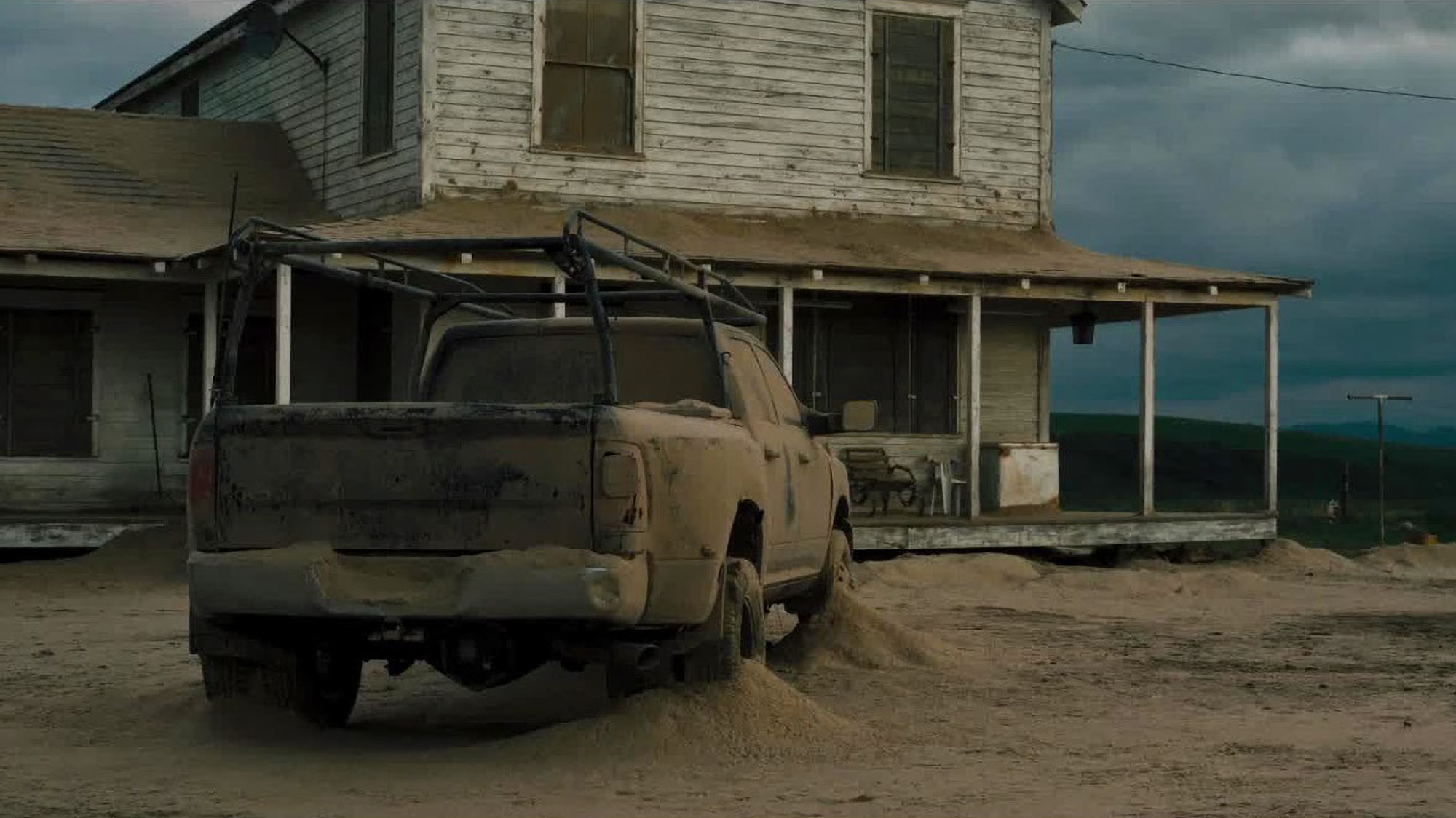
Compare this to a 1985 Toyota pickup, which can be repaired with hand tools and a basic understanding of internal combustion. Millions of these trucks are still running in developing nations precisely because they can be fixed anywhere by anyone. They represent a kind of technological resilience that has been engineered out of modern products in favor of features most owners never asked for.
This isn't just about cars. Analog audio equipment is experiencing a renaissance. Mechanical watches outsell their smarter counterparts in certain demographics. Film cameras have waiting lists. The throughline is the same: people want objects that work on their terms, not objects that require ongoing negotiation with distant servers.
Surveillance by Default
The surveillance dimension of smart technology has moved from paranoid fantasy to documented reality. Modern cars track location, driving habits, and even biometric data. This information flows to manufacturers, insurers, and in some cases, governments. Tesla vehicles in China have been restricted from certain government facilities over security concerns, while Chinese-made vehicles face similar scrutiny in the West.
The most instructive example of where this leads is China's social credit system, which integrates surveillance data from countless sources to score citizens on their behavior. While Western implementations are less centralized, the infrastructure is already in place. Your car knows where you went last night. Your phone knows who you were with. Your smart home knows when you sleep and wake. The data exists. The only question is who gets to use it and for what purpose.
This concern extends well beyond consumer devices. The same connectivity that enables remote software updates also enables remote control. A car manufacturer can disable your vehicle. A smart lock company can lock you out of your home. The convenience of the connected world comes with an implicit dependency on institutions that may not always have your interests at heart.
The Freedom Instinct
There is something fundamentally Western about the desire to own things outright. Not to license them, not to subscribe to them, but to possess them in a way that cannot be revoked or monitored. This instinct predates the internet by centuries. It's woven into property law, constitutional protections, and the cultural mythology of the frontier.
The popularity of older vehicles among certain buyers reflects this impulse. A truck with no modem cannot be tracked. A carburetor cannot be remotely updated. Mechanical systems fail predictably and can be understood by their owners. There is autonomy in simplicity.
This doesn't mean rejecting all modern technology. It means being selective about which conveniences are worth the tradeoffs. Privacy advocates have long understood that the question isn't whether technology is useful, but whether its usefulness justifies the dependencies it creates.
As artificial intelligence becomes embedded in every device, the hunger for dumb utility will only grow. Sometimes the smartest thing a machine can do is nothing at all. Sometimes you just want to drive a truck through a cornfield and know that no one is watching.