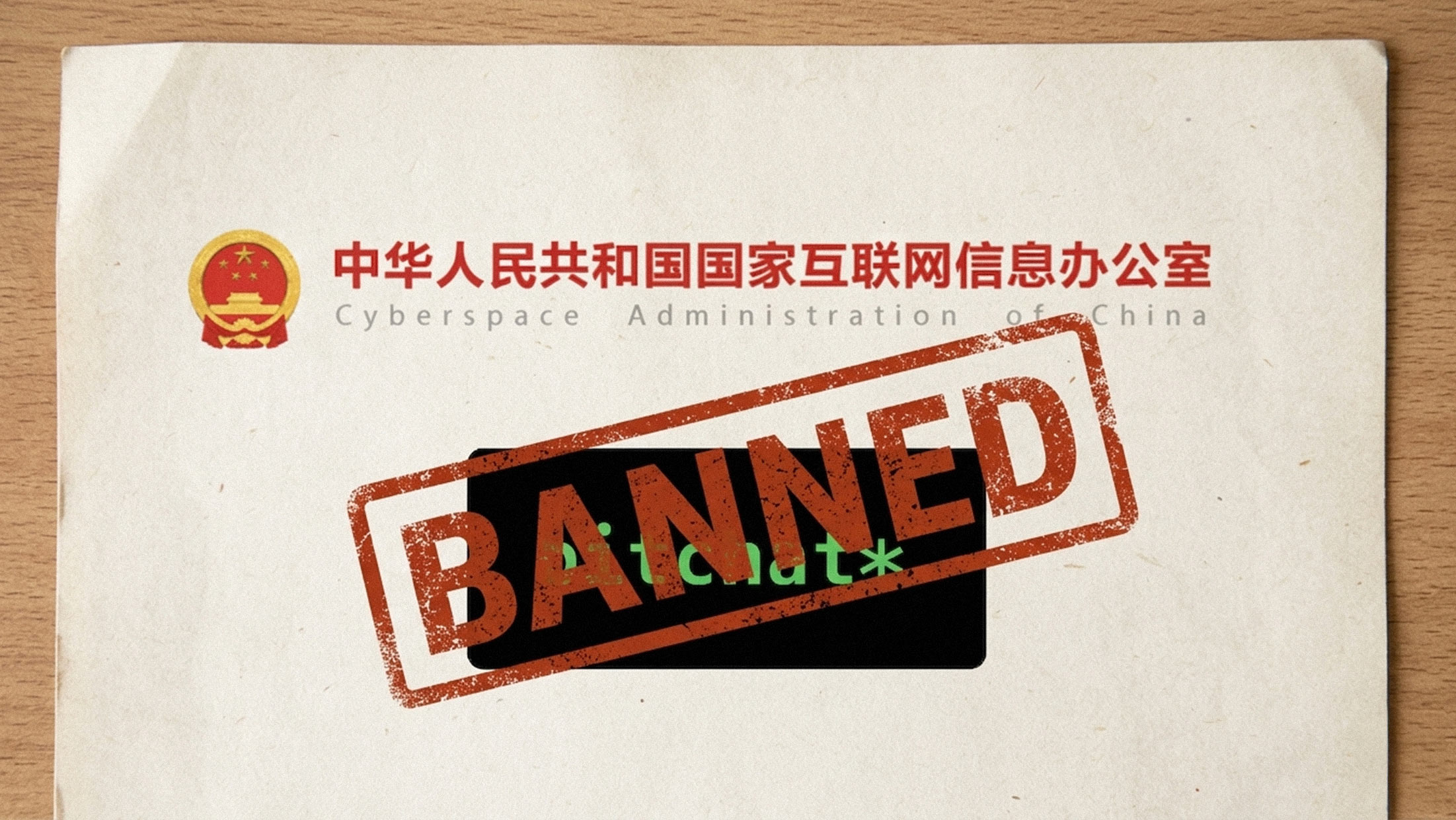
A video circulating from Iranian state media shows explicit threats against the Stargate AI supercluster planned for the United Arab Emirates. The footage, which has spread rapidly across social media alongside renewed Strait of Hormuz tensions, marks a new phase in how geopolitics intersects with hyperscale AI infrastructure.
The Stargate project represents the most ambitious AI infrastructure bet ever made. OpenAI and Microsoft have committed over $100 billion to build what would be the world's largest AI supercluster, with power demands exceeding 1 gigawatt. Placing it in the UAE was supposed to diversify away from concentrated US data center locations while tapping into cheap energy and favorable regulatory conditions.
Iran's messaging changes that calculus entirely.
The Vulnerability No One Wanted to Talk About
Big Tech has spent years optimizing for bandwidth, latency, and power costs when siting data centers. Security concerns focused on cyberattacks and physical intrusion. The possibility that a regional power might openly threaten kinetic action against civilian AI infrastructure was treated as a fringe scenario.
It no longer is. The Iranian video follows months of escalating rhetoric around the Strait of Hormuz, through which roughly 20% of the world's oil still flows. But energy isn't the only chokepoint. The region's proximity to critical shipping lanes for semiconductors and networking equipment creates compounding vulnerabilities.
Iran's asymmetric capabilities have evolved considerably. Drone and missile programs that proved effective in regional conflicts could credibly threaten fixed infrastructure targets. A 1GW+ facility with thousands of AI accelerators represents a concentration of strategic value that didn't exist five years ago.
Where Does Big Tech Build Now?
The Stargate threat accelerates conversations already happening in boardrooms about infrastructure resilience. The options are limited and expensive.
Domestic US expansion faces its own constraints. Power grid capacity in Northern Virginia, the world's largest data center market, is already strained. Texas offers energy abundance but brings climate and grid reliability concerns. The permitting timelines for new facilities stretch years.
Allied nations present alternatives. Japan and Australia have lobbied aggressively for AI infrastructure investment, touting stable governance and energy access. But neither matches the UAE's combination of cheap power, regulatory flexibility, and geographic positioning for serving Asian and European markets.
The more likely outcome is redundancy through dispersion. Microsoft and OpenAI may proceed with UAE construction while hedging through parallel buildouts elsewhere. This approach multiplies capital requirements and fragments operational efficiency.
What US AI Dominance Actually Requires
American policymakers have framed AI leadership in terms of research talent, chip access, and capital formation. The Stargate situation exposes a gap in that framework. Dominance requires infrastructure that can survive geopolitical stress.
The domestic semiconductor push addresses part of this puzzle. But chips without compute capacity are like ammunition without rifles. The AI boom depends on physical facilities that take years to build and require enormous, sustained power supplies.
Iran's video may prove to be posturing. The UAE has its own defense capabilities and strategic importance to Washington. But the threat itself has already achieved something: it has demonstrated that the geography of AI infrastructure is now inseparable from the geography of conflict.
Every future data center siting decision will account for this reality. The era of building wherever power is cheapest has ended.