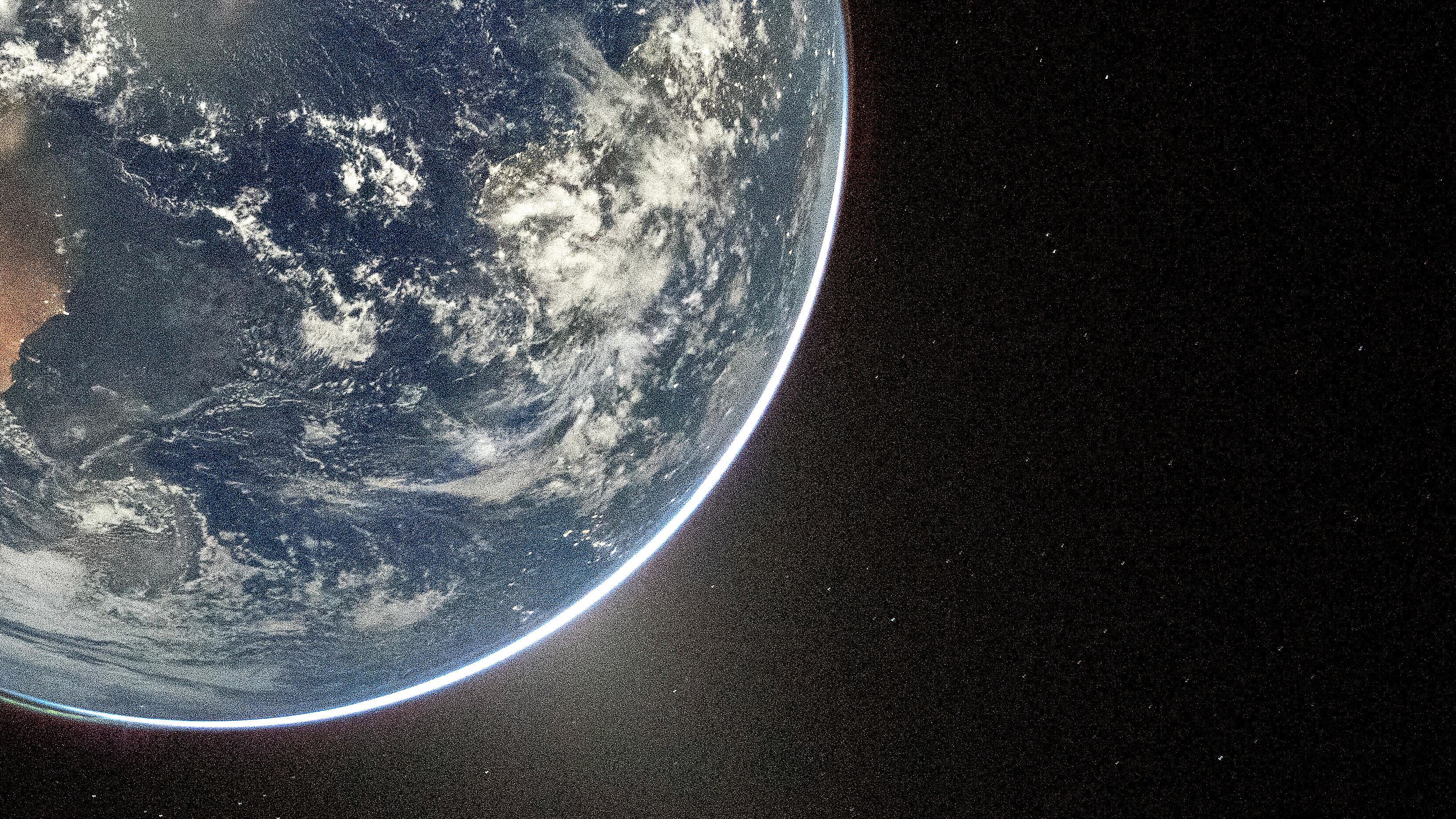
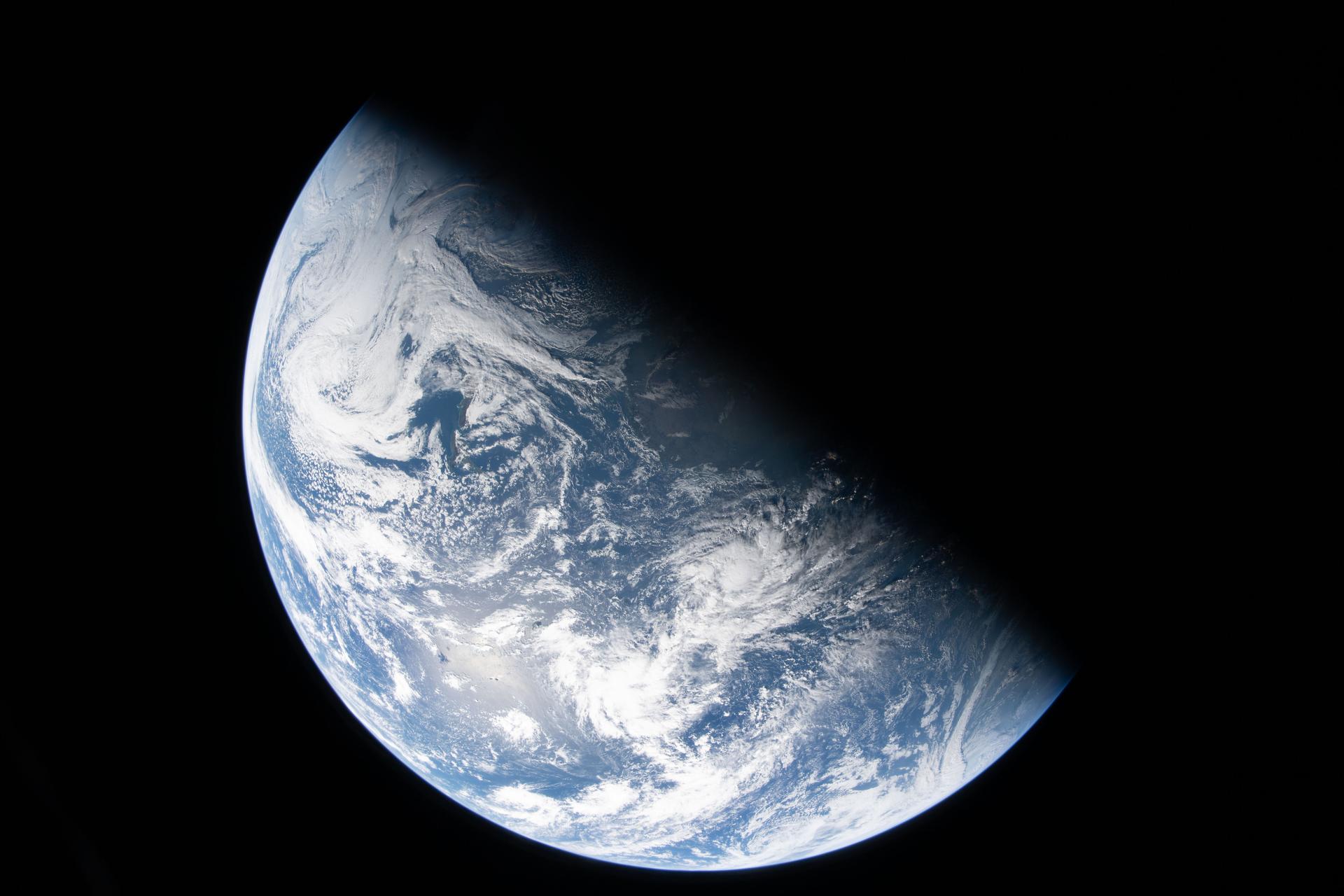
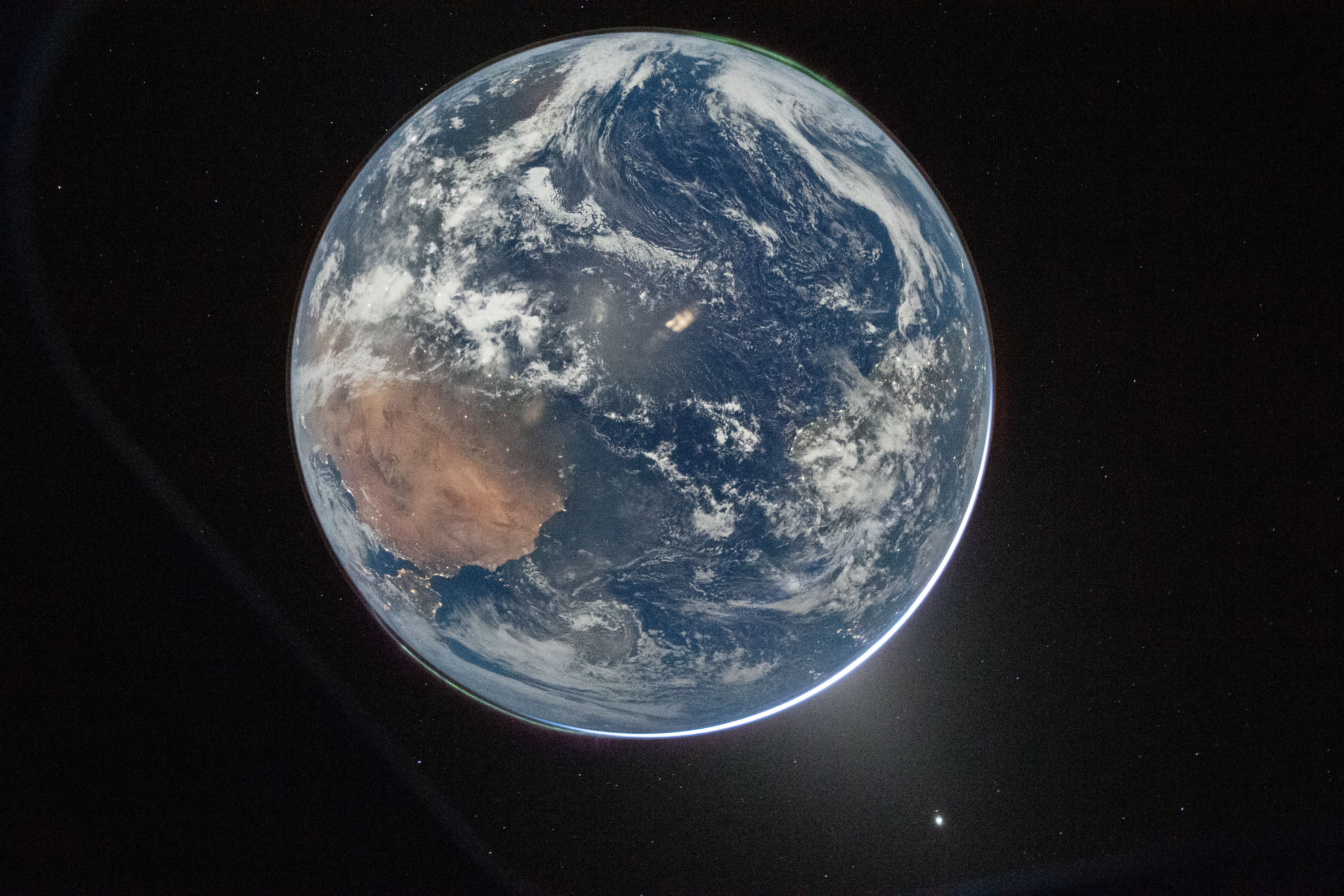
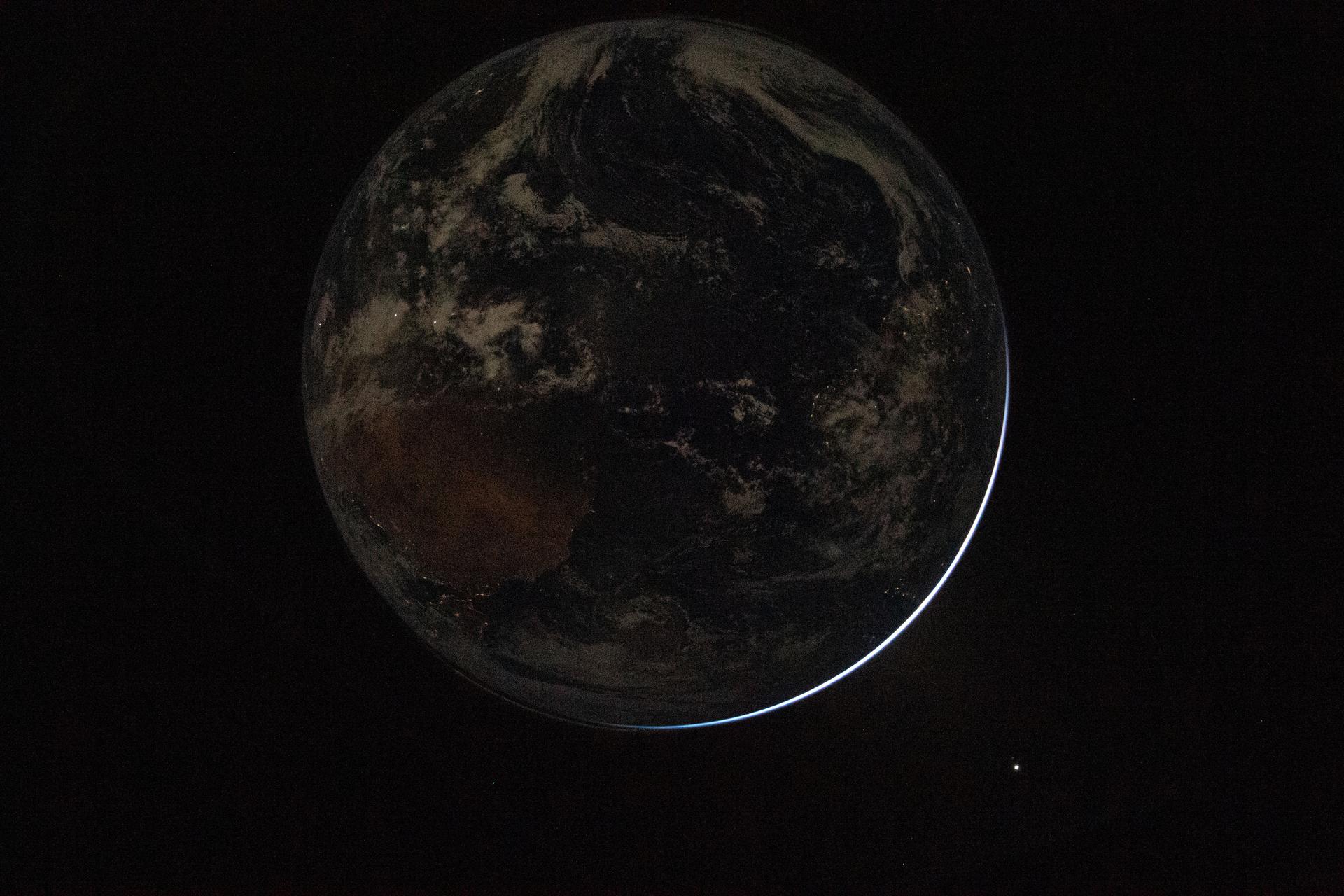
There is something about a photograph from space that stops you cold. Not the data it contains, not the scientific value, but the image itself. The curve of Earth against black nothing. The sun cresting over a horizon that belongs to no nation. These pictures have been doing this to us for decades, and they show no signs of losing their power.
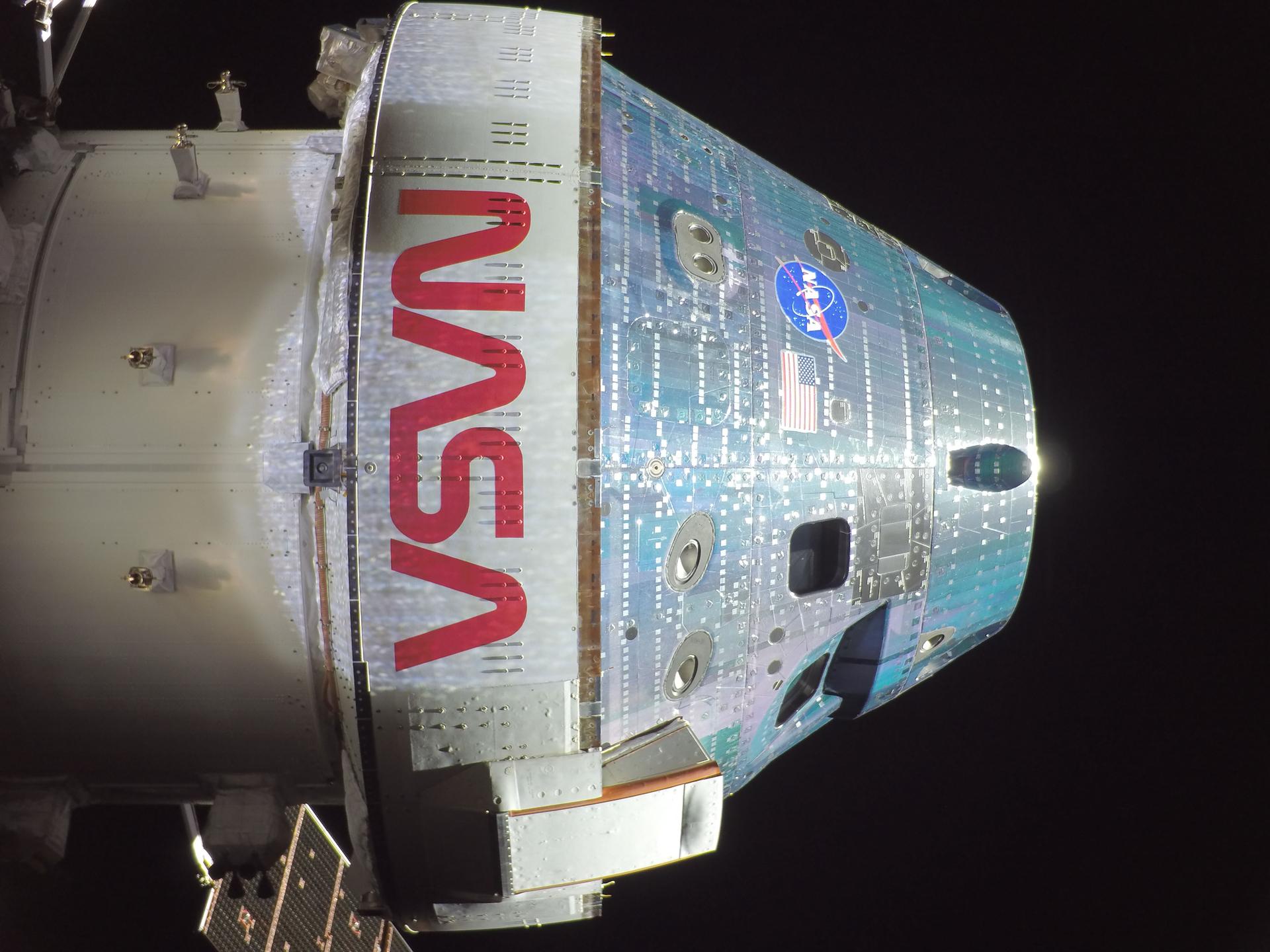
The Artemis II mission, scheduled to carry four astronauts around the Moon, will continue this tradition with serious equipment. The crew will use Nikon cameras and lenses, professional-grade tools chosen not just for durability but for their ability to capture what words cannot. This is NASA understanding something important: the images matter as much as the mission data.
The Camera as Witness
When astronauts first pointed cameras back at Earth, they did not know what they were starting. The famous "Earthrise" photograph, taken during Apollo 8 in 1968, became one of the most reproduced images in history. It did not discover anything new about our planet. Scientists already knew Earth was round, already knew it floated in darkness. But seeing it was different. Seeing it changed people.
This is the peculiar function of space photography. It operates on emotional registers that technical readouts cannot reach. The Nikon Z9 cameras heading to lunar orbit will capture images in resolutions and dynamic ranges that Apollo astronauts could not have imagined. The technology has advanced enormously. The fundamental purpose has not.
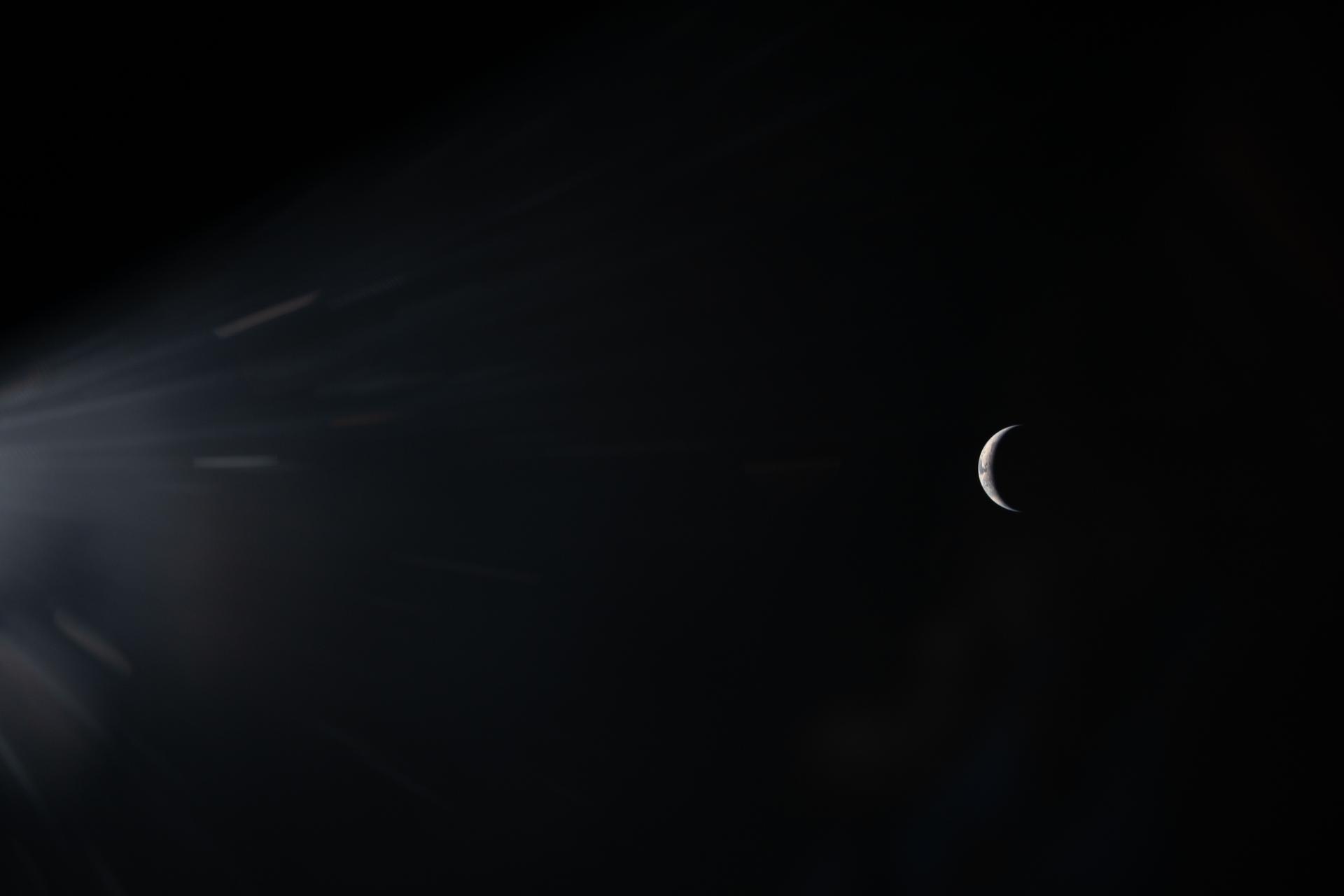
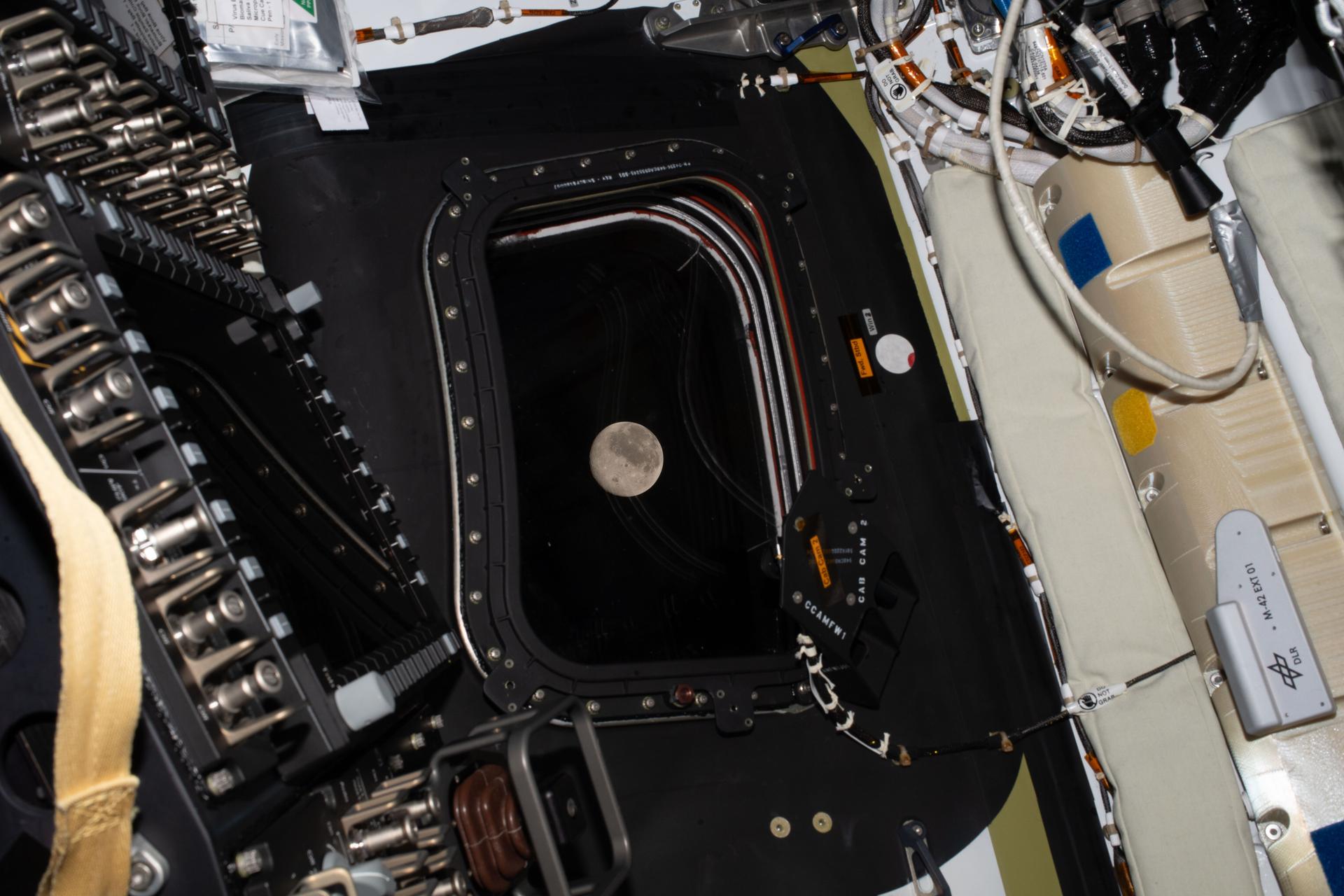
Artemis II will be the first crewed mission to the Moon since 1972. The astronauts on board will see things that only 24 humans have ever witnessed: Earth as a small sphere, the lunar surface in person, the absolute darkness between. Their photographs will be our photographs, a way for the rest of us to participate in something we cannot physically experience.
Why Video Changes Everything
Still images have dominated space documentation for obvious reasons. Bandwidth constraints, storage limitations, and the simple difficulty of operating video equipment in spacecraft made photography the practical choice. That calculus has shifted.
Modern cameras like the Nikon Z9 shoot high-resolution video alongside stills. Artemis II will likely produce footage that shows the Moon not as a frozen moment but as a place where time passes, where shadows move, where Earth rotates slowly in the distance. This kind of documentation creates a different relationship with viewers. You are not looking at where someone was. You are watching them be there.
The cultural impact of this shift is hard to overstate. NASA has long understood that inspiration is a deliverable, not a byproduct. The agency exists because the public funds it, and the public funds it partly because space exploration makes people feel something. Video from lunar orbit will make people feel things that photographs alone cannot.
The Real Work of Beauty
There is a tendency to treat the aesthetic dimension of space exploration as secondary, as public relations rather than substance. This misunderstands what images actually do.
A child who sees Earth from space does not become an astronaut because of budget allocations or policy priorities. They become an astronaut because something in that image grabbed them and would not let go. The photograph is not decoration on top of the real mission. It is part of how missions justify themselves across generations.
Artemis II represents a resumption of crewed lunar exploration after more than fifty years. The scientific objectives are significant. The geopolitical implications are real. But the photographs and video that come back will outlast all of it. They will appear in textbooks and documentaries and bedroom walls for decades. They will be the thing most people remember.
NASA's investment in quality imaging equipment is not vanity. It is recognition that exploration without documentation is exploration half-finished. We go to space partly to learn things, partly to prove things, and partly to bring back images that remind everyone else why any of this matters. The Artemis II crew will carry cameras because cameras carry the mission home.