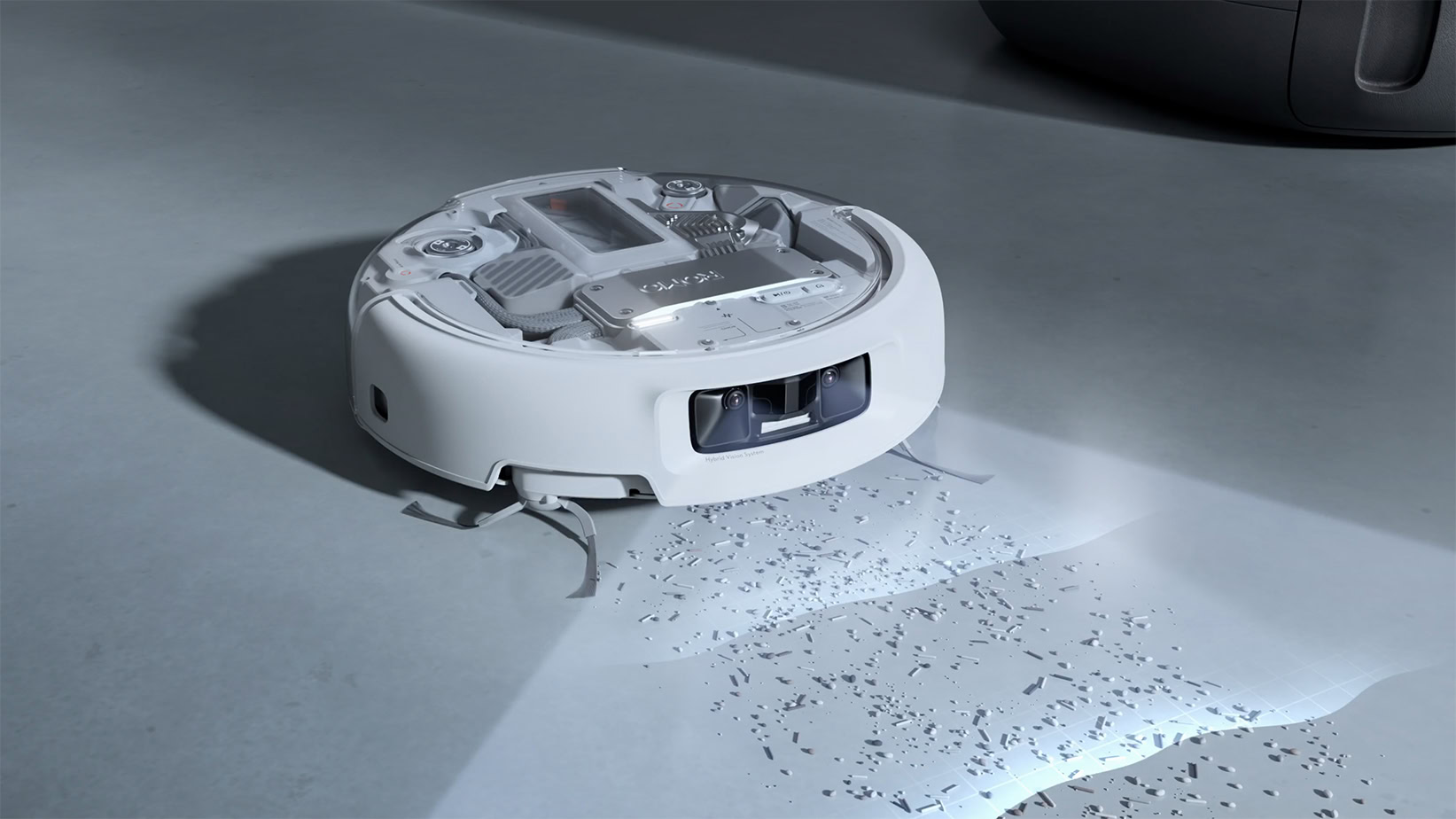
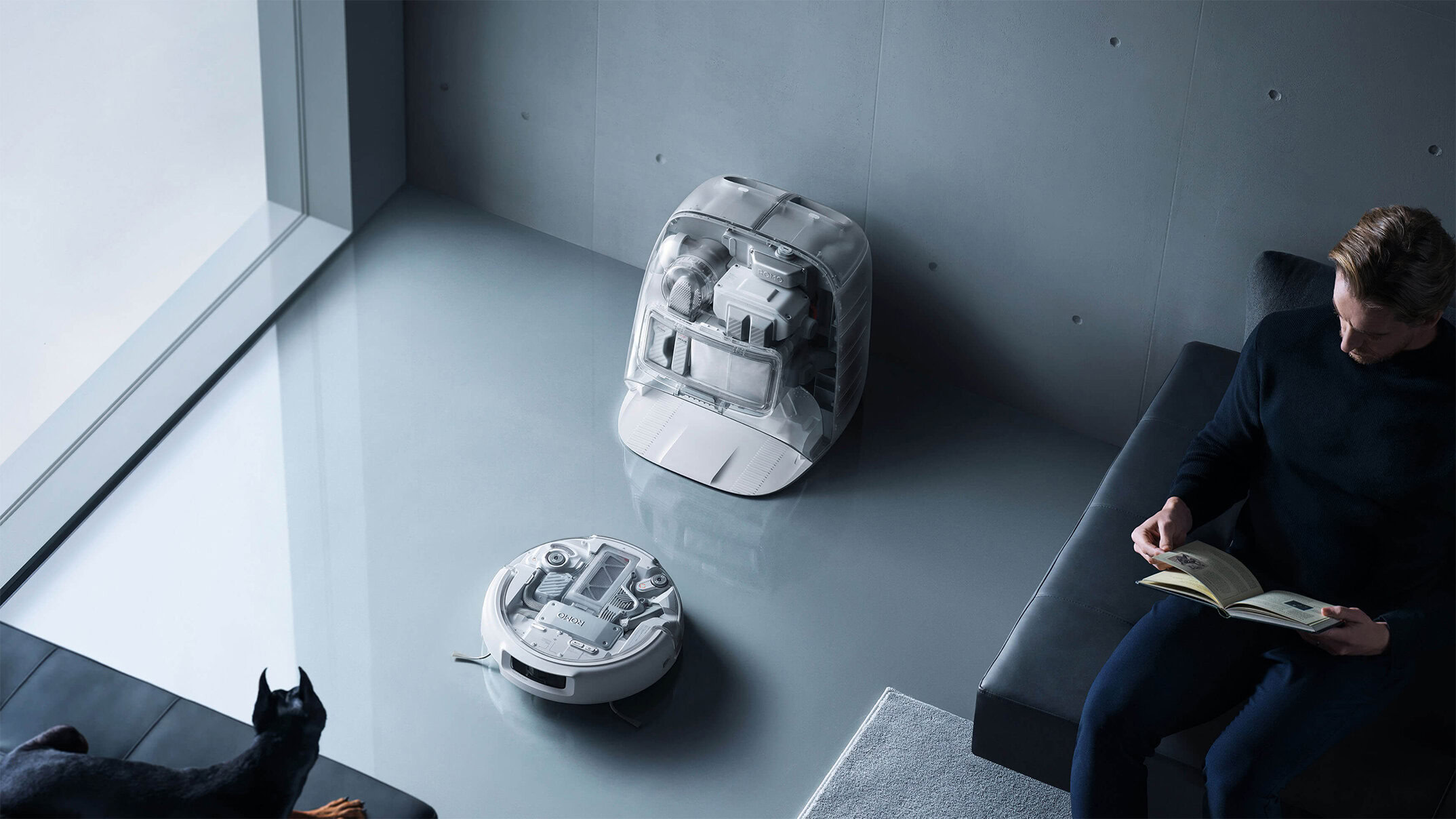
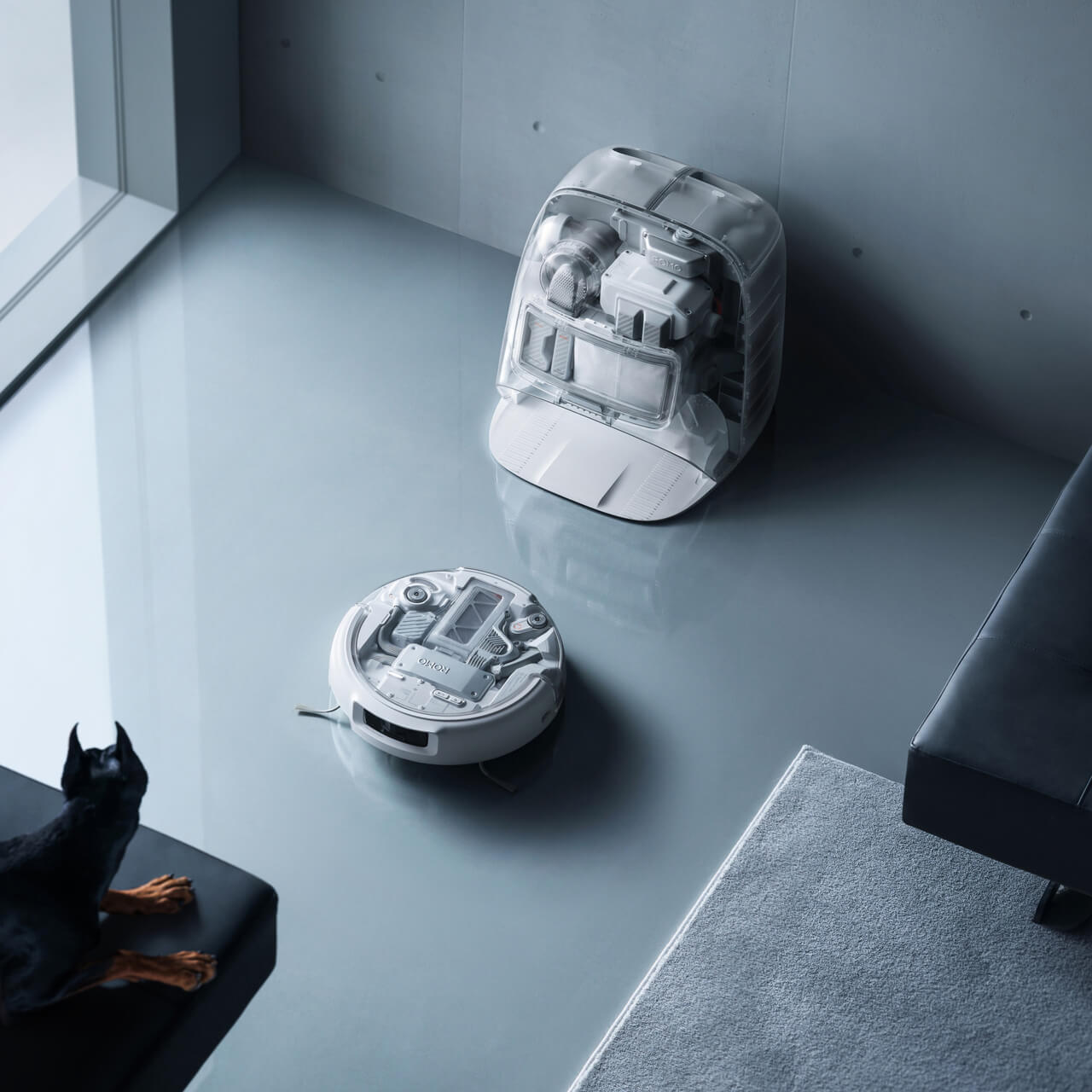
DJI, the company that dominates consumer drones, has brought its navigation technology indoors. The Romo P marks an ambitious first step for DJI into the world of smart-home floor cleaning, and reviewers are calling its obstacle avoidance the best in the industry. The transparent housing gives it the look of a concept product that escaped the design lab.
Drone DNA on the Ground
The Romo P's key feature is its sophisticated navigation system combining dual fisheye cameras with solid-state LiDAR to enable precise obstacle detection, even for items as thin as 0.08 inches or 2mm. DJI has leveraged its omnidirectional obstacle sensing system from its drones, combining a binocular fisheye vision sensor, three wide-angle laser sensors, and a machine learning perception algorithm.
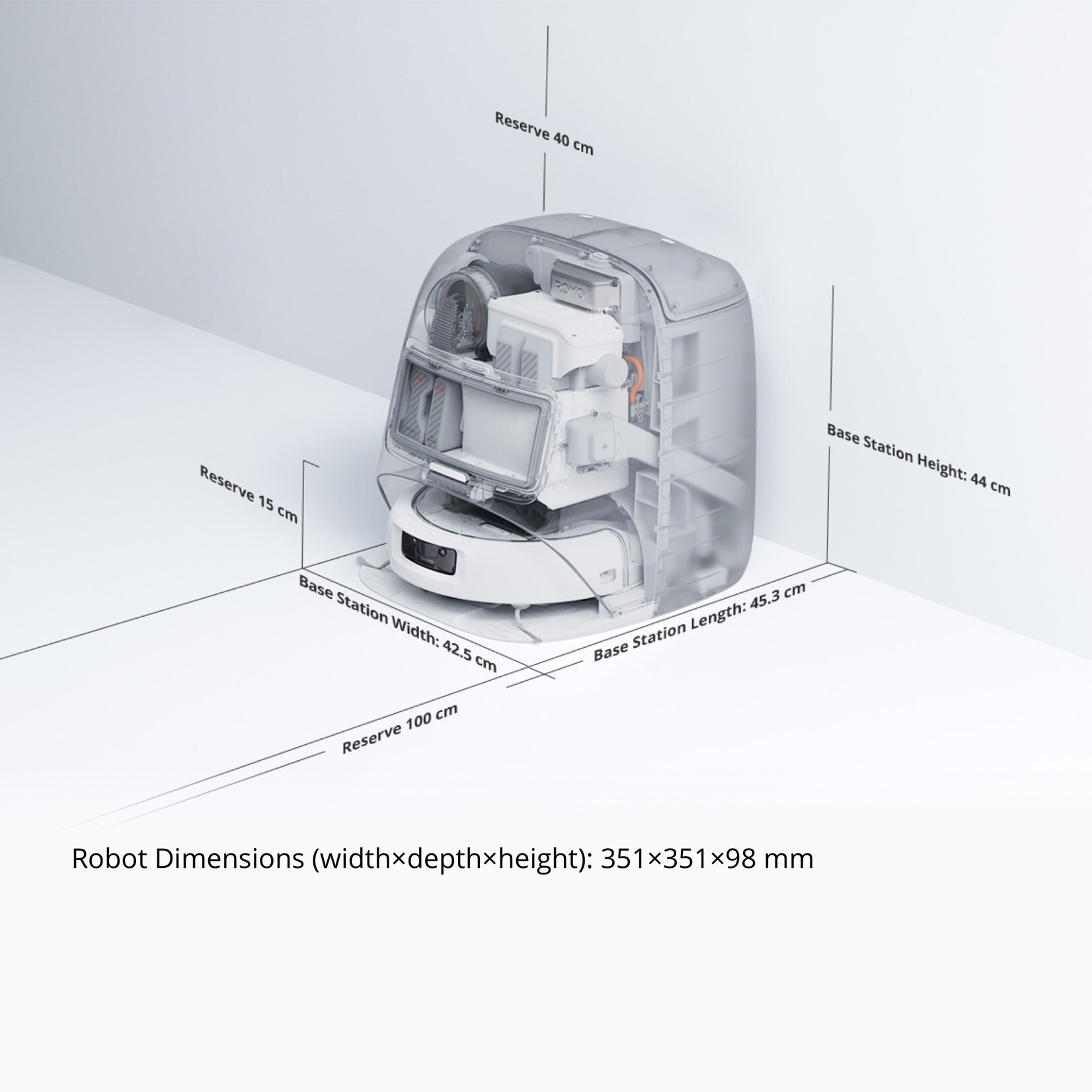
The robot itself measures roughly 35 × 35 × 9.8cm and weighs around 4.3–4.4kg, which puts it on the slightly chunkier side for a premium robovac. The extra height comes from the sensor array, though DJI embedded the LiDAR rather than mounting it in the typical turret design.
With 25,000Pa suction and extendable cleaning brushes and mops for edge coverage, the Romo P delivers flagship-level performance on hard floors. The Romo P uses two circular mop pads, a cleaning solution and a deodorizing solution, allowing users to wash, deodorize and then rinse floors. The self-cleaning dock offers dust collection, automated mop washing and maintenance intervals of up to 200 days according to DJI.
Price and Availability
The DJI Romo P costs £1,299 in the UK or AU$2,299 in Australia. In Germany and the Netherlands it retails for €1,899. The Romo was announced in October 2025 and comes in three variants. The entry-level Romo S sells for £929, the Romo A with transparent vacuum and white base is £1,149, and the flagship Romo P with fully transparent design is £1,299.
The DJI Romo P has launched in the UK, Germany, Netherlands and Australia. The lineup launched in China in August 2025 and debuted internationally across Europe, with initial sales in Germany, France, Spain, and Italy. Americans are watching from the sidelines.
The US absence is no accident. The FCC made a move in late 2025 that effectively blocks DJI and other foreign drone companies from importing new products going forward. While this technically targets drones, it reflects broader regulatory hostility toward DJI that has kept the Romo out of American homes entirely. Those hoping to import one face an uncertain path through customs.
The Security Problem
The Romo P arrived with an embarrassing security flaw. The device launched with security holes that led to one hobbyist hacker gaining control of 7,000 of the machines. DJI Romo owner Sammy Azdoufal was trying to get his PS5 controller to operate his new robovac when he inadvertently took over thousands of devices.
The vulnerability: DJI's MQTT message broker had no topic-level access controls. Any authenticated client could subscribe to wildcard topics and read traffic from every device on the network. What was exposed: live camera feeds, microphone audio, cleaning routes, serial numbers, and detailed 2D floor plans of homes.
DJI responded within 24 hours. Since February 11, the gap has been closed. DJI paid a $30,000 bug bounty to the researcher. But the incident underscores a recurring pattern: DJI still does not have a public-facing Chief Information Security Officer. Security communications are handled by the PR team.
For buyers outside the US who want cutting-edge navigation in a DJI product, the Romo P delivers. The transparent design is polarizing but undeniably distinctive. The obstacle avoidance genuinely benefits from DJI's aerial expertise. Whether the company can rebuild trust after letting thousands of cameras and microphones hang open on an insecure server is another question. The smart home security problem extends well beyond DJI, but a company under this much regulatory scrutiny probably needed a cleaner debut.