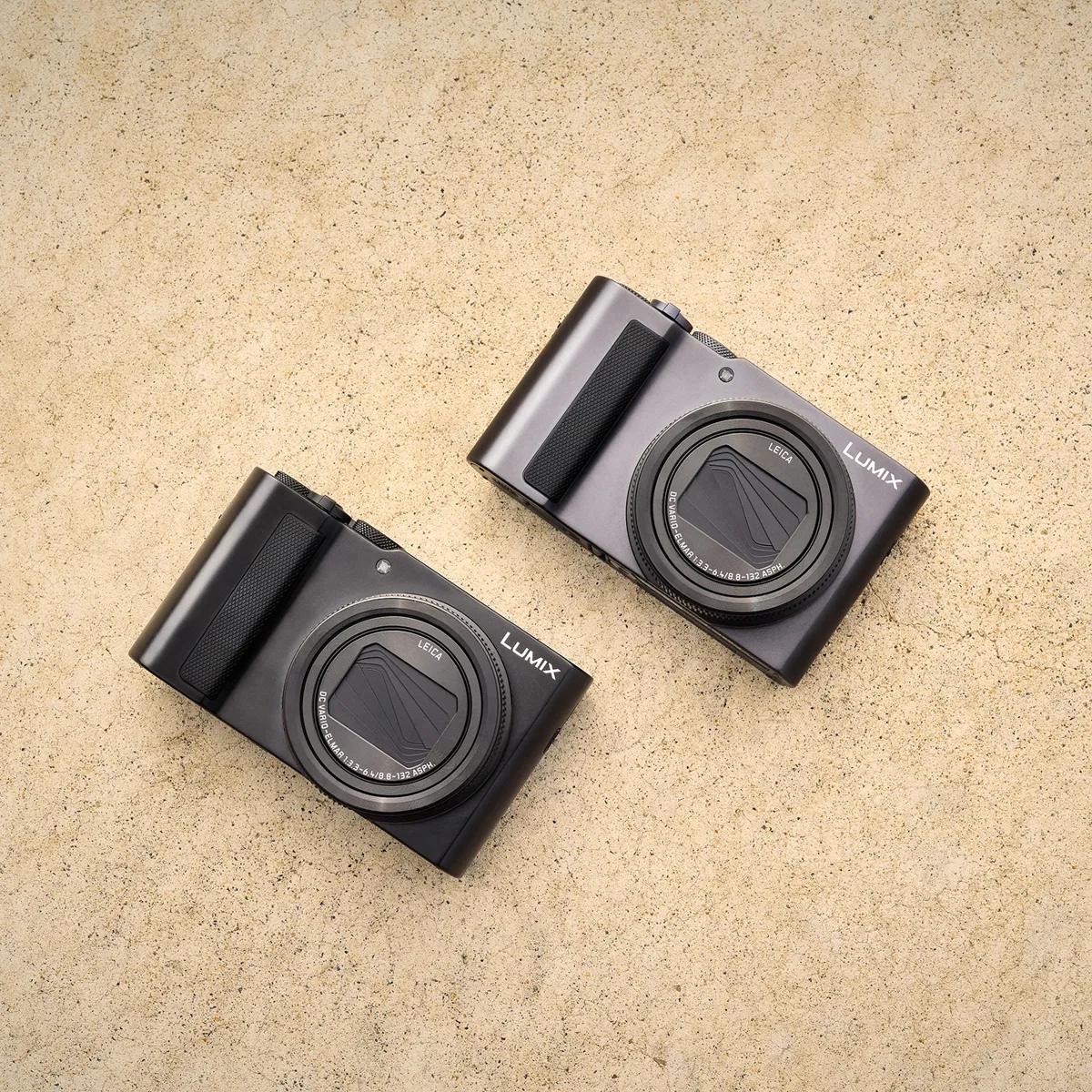
Panasonic announced the LUMIX DC-TX3 on April 22, a compact travel zoom camera that succeeds the TX2D from 2022. The TX3 is known as the ZS300 in the United States and the TZ300 in Europe. Preorders begin April 27, with shipping expected in mid-May. In Japan, the estimated price is around 129,000 yen; in the US, the ZS300 lists at $899.
The core formula remains intact: a 1-inch type BSI CMOS sensor paired with a Leica-branded 15x optical zoom lens covering 24-360mm equivalent. What's changed is the sensor architecture. Panasonic has moved to a backside-illuminated design, which should improve light-gathering efficiency in dim conditions. The company claims noticeably better low-light performance and reduced noise compared to the previous generation.
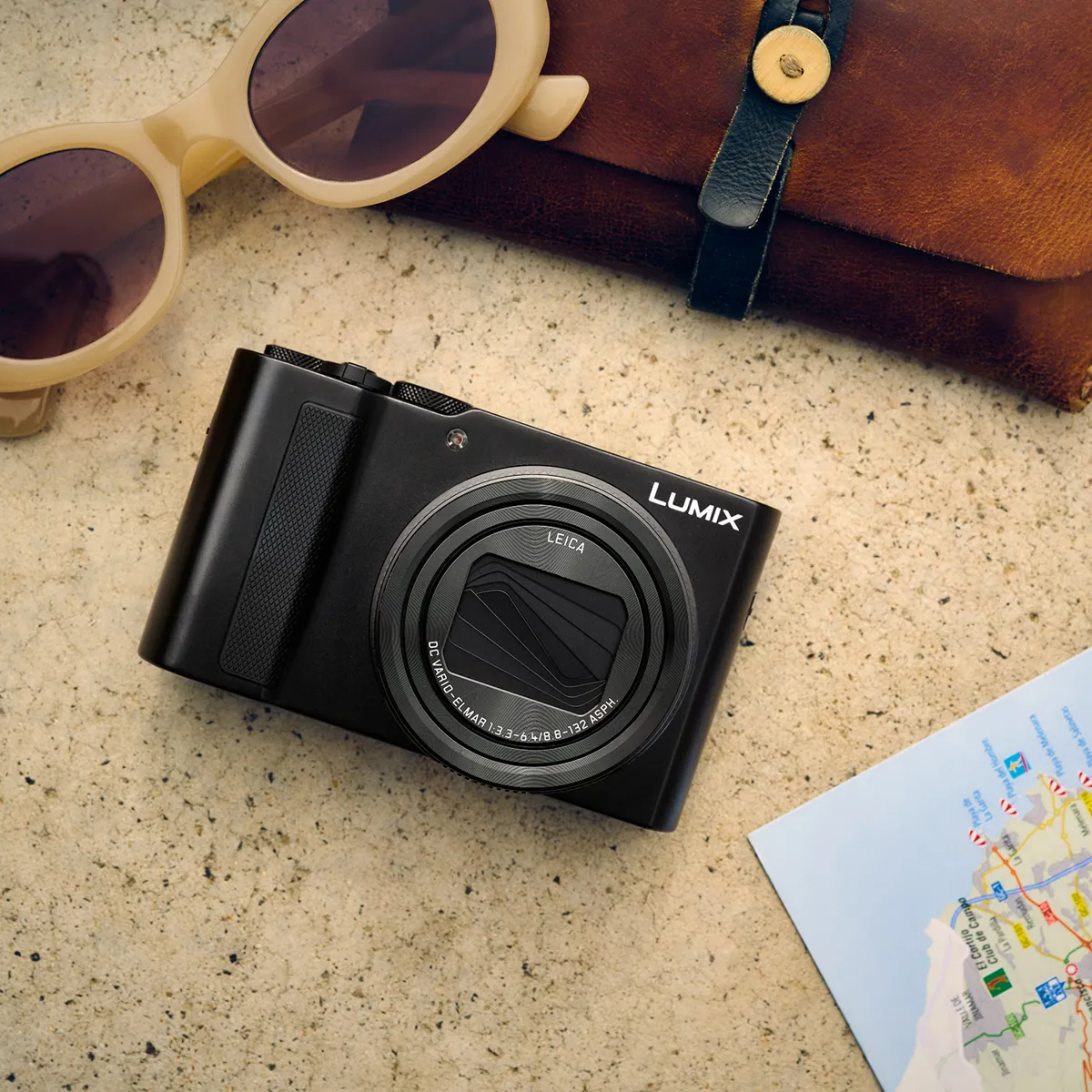
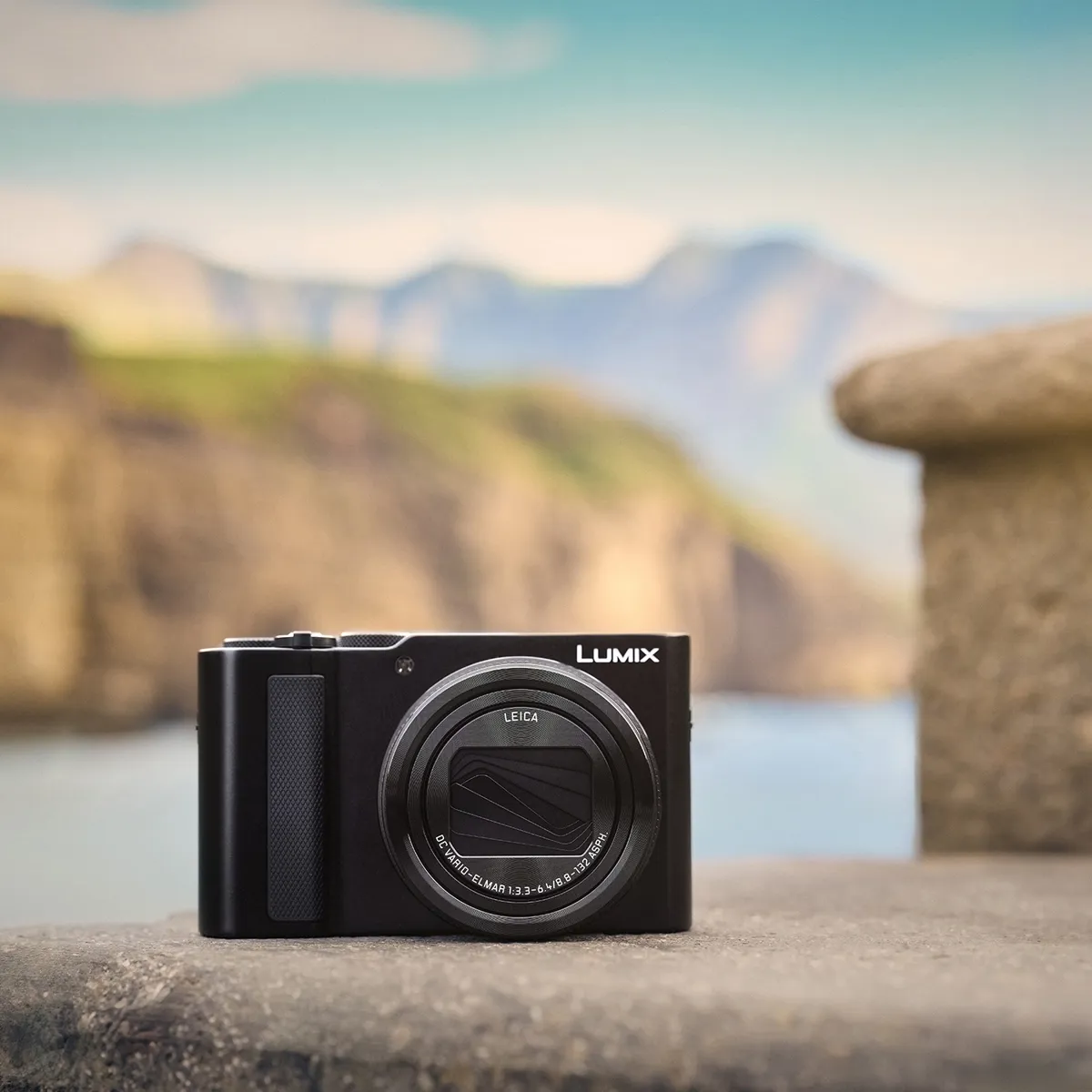
The lens is the same Leica DC Vario-Elmar with an 11-element, 13-group optical design that includes five aspherical elements and three ED elements. Aperture ranges from f/3.3 at the wide end to f/6.4 at full telephoto reach. A macro mode lets you focus as close as 3cm at the wide end, which opens up possibilities for product shots, flowers, and small detail work.
Video Gets a Modest Bump
Panasonic has upgraded video recording from 4K/24p to 4K/30p. Full HD recording at 120fps is also available for slow-motion capture. The 4K Photo mode shoots 30 frames per second, letting you extract 8-megapixel stills from video sequences. There's a 15-minute recording limit on 4K, and all video is 8-bit MP4.
Stabilization comes via POWER O.I.S. for stills and a 5-axis hybrid system for video, though the hybrid mode doesn't work during 4K capture. The camera supports Focus Select and Focus Stacking through its 4K Photo mode, which can help with macro work where depth of field gets thin.
The Missing EVF
The biggest change, and likely the most contentious, is the removal of the electronic viewfinder. The TX2D included a 2.33-million-dot EVF that was useful in bright sunlight. The TX3 drops it entirely. Composition happens on a fixed 3-inch, 1.84-million-dot touchscreen. This matches the approach Panasonic took with the ZS99 compact. For users who relied on the EVF for travel shooting in sunny locations, this is a real loss.
The other notable update: USB Type-C replaces the older micro-USB port. The camera charges over USB-C from adapters, computers, or power banks. However, USB power delivery (continuous power while shooting) is not supported. Wireless connectivity includes Bluetooth 5.0 and Wi-Fi (2.4GHz), with integration into the Panasonic Image App for remote control and image transfer.


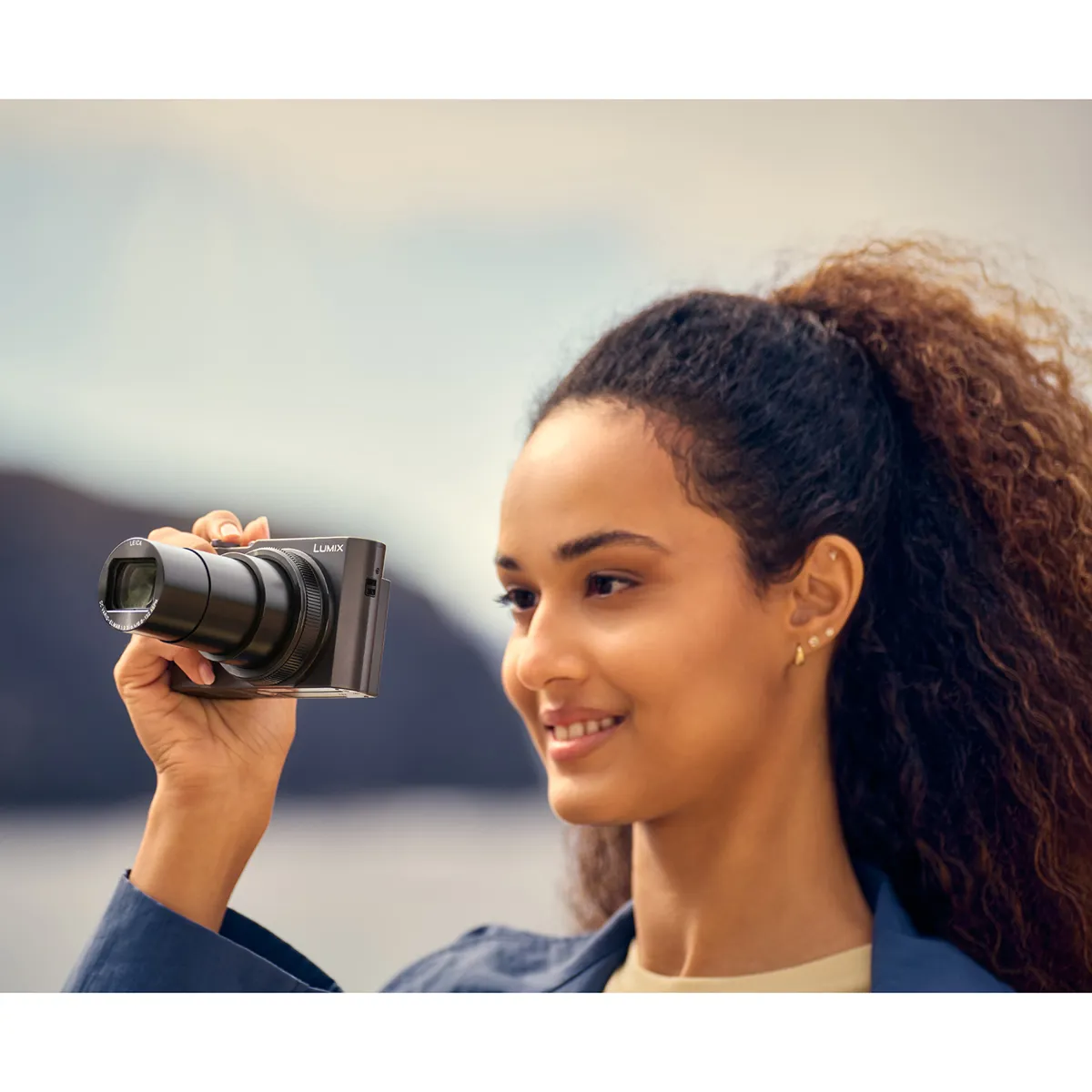
Specifications
| Feature | Specification |
|---|---|
| Sensor | 1.0-inch type BSI CMOS, 20.1MP effective |
| Lens | Leica DC Vario-Elmar, 24-360mm equivalent (15x optical zoom) |
| Aperture | f/3.3-6.4 |
| ISO Range | 125-12,800 (expandable to 80-25,600) |
| Continuous Shooting | 10 fps (fixed focus), 6 fps (continuous AF), 30 fps (4K Photo) |
| Video | 4K/30p, Full HD/120p, MP4 |
| Display | 3.0-inch touchscreen, 1.84M dots, fixed |
| Viewfinder | None |
| Stabilization | POWER O.I.S. (stills), 5-axis Hybrid O.I.S. (FHD video) |
| Macro | 3cm (wide), 100cm (telephoto) |
| Dimensions | 111.2 × 66.4 × 45.2mm |
| Weight | 337g (with battery and card) |
| Battery Life | 370 shots (CIPA) |
| Connectivity | USB-C (charging only), Wi-Fi, Bluetooth 5.0 |
| Storage | SD/SDHC/SDXC (UHS-I) |
The Case for the TX3
There's something appealing about this category of camera. Smartphones have excellent computational photography, but they still can't match the optical reach of a true 15x zoom with a 1-inch sensor behind it. At 360mm equivalent, you can photograph concerts, sports, and wildlife from distances that would leave phone cameras producing digital soup. The TX3 is designed for exactly this use case: venues where interchangeable lens cameras aren't permitted, or situations where carrying a mirrorless body isn't practical.
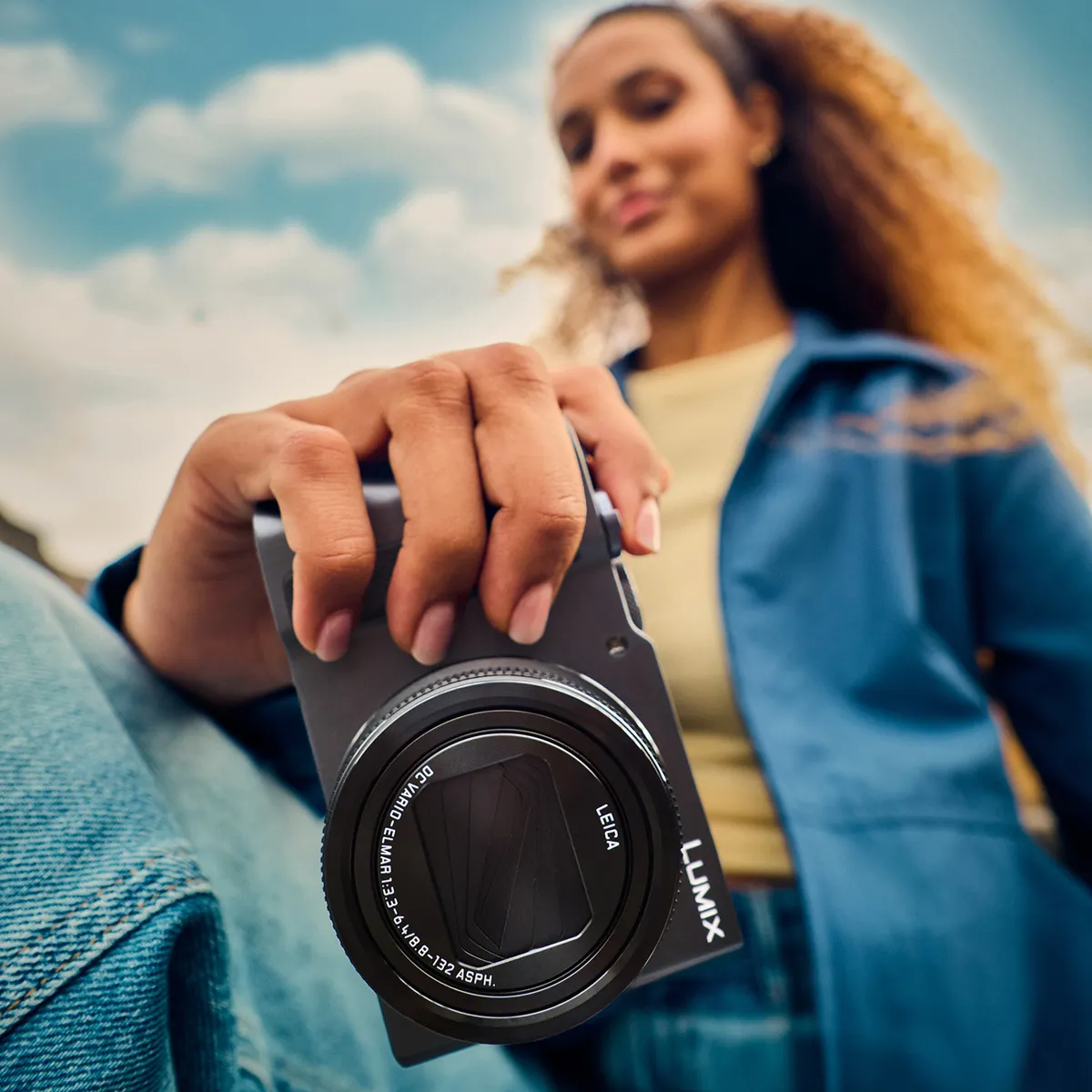
The combination of sensor size and zoom reach remains unique in a pocketable form factor. At 337 grams and just over 45mm thick, the TX3 genuinely fits in a coat pocket. The BSI sensor upgrade should improve high-ISO results, and 4K/30p brings video capability in line with current expectations. The 22 creative filters provide in-camera processing options, though serious shooters will appreciate the RAW support.
For travelers and event-goers who want more than a smartphone can deliver, the TX3 makes a compelling argument. Similar options exist, like Sony's RX100 VII, but Sony's zoom tops out at 200mm and costs significantly more. The TX3 gives up some low-light lens speed for that extra reach.
Whether the absent EVF is a dealbreaker depends on how and where you shoot. For screen-first users, it won't matter. For anyone who's tried to compose in direct sunlight, it's a meaningful omission. Pocket cameras continue to find their niche, and smartphone camera integration keeps advancing. The TX3 occupies the space between those two worlds.
The TX3 will be available in black and silver. Japan preorders open April 27 at 10:00 AM JST, with a mid-May ship date. US pricing is $899; UK pricing is £869.